Know what is on the ground at every airport
Aviation accumulation is about the moment aircraft are together: parked at a hub, in a hangar, on the apron.
Exposure management for aviation means knowing how much fleet value and liability sits at each airport, and what one event there could do.
Every aircraft that was there when the weather arrived.
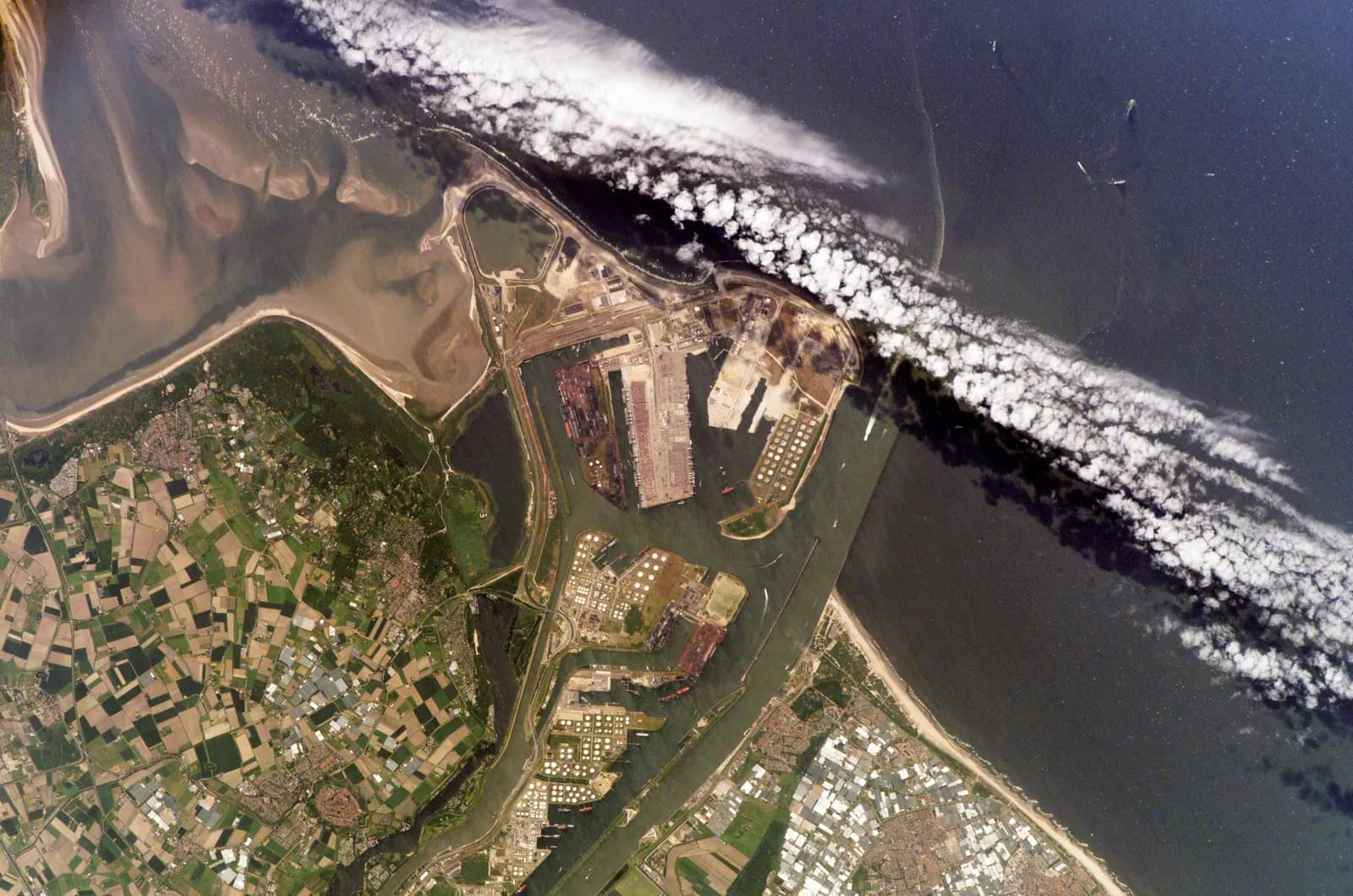
 Photo: NASA

hull value parked at one hub, three operators.
A hail cell is moving over a hub. How much hull value is parked inside it?
In the air, a fleet accumulates nowhere. On the ground it accumulates at the one place every operator needs to be at the same hour: the hub.
The question is never the value of one aircraft. It is the value of every aircraft that happened to be there when the weather arrived.
Different operators, different policies, one apron.
Owned by one party, flown by another, parked at the same gate row.
Written separately, but concentrated at the same airport.
One airport, walked from the air to the hangar.
A fleet in flight accumulates nowhere
The hull value sits on the policy and the aircraft, and exposure to a ground event is close to nothing while it is aloft.
One fleet book, three ways to read it.
A fleet schedule is the same rows whichever way you cut it. The accumulation only shows when you cut it by the place an event would hit.
Hub 1 holds 770 of 1,310 USD m, 59% of the book: three operators, one runway.
A fleet schedule lands where every other schedule does.
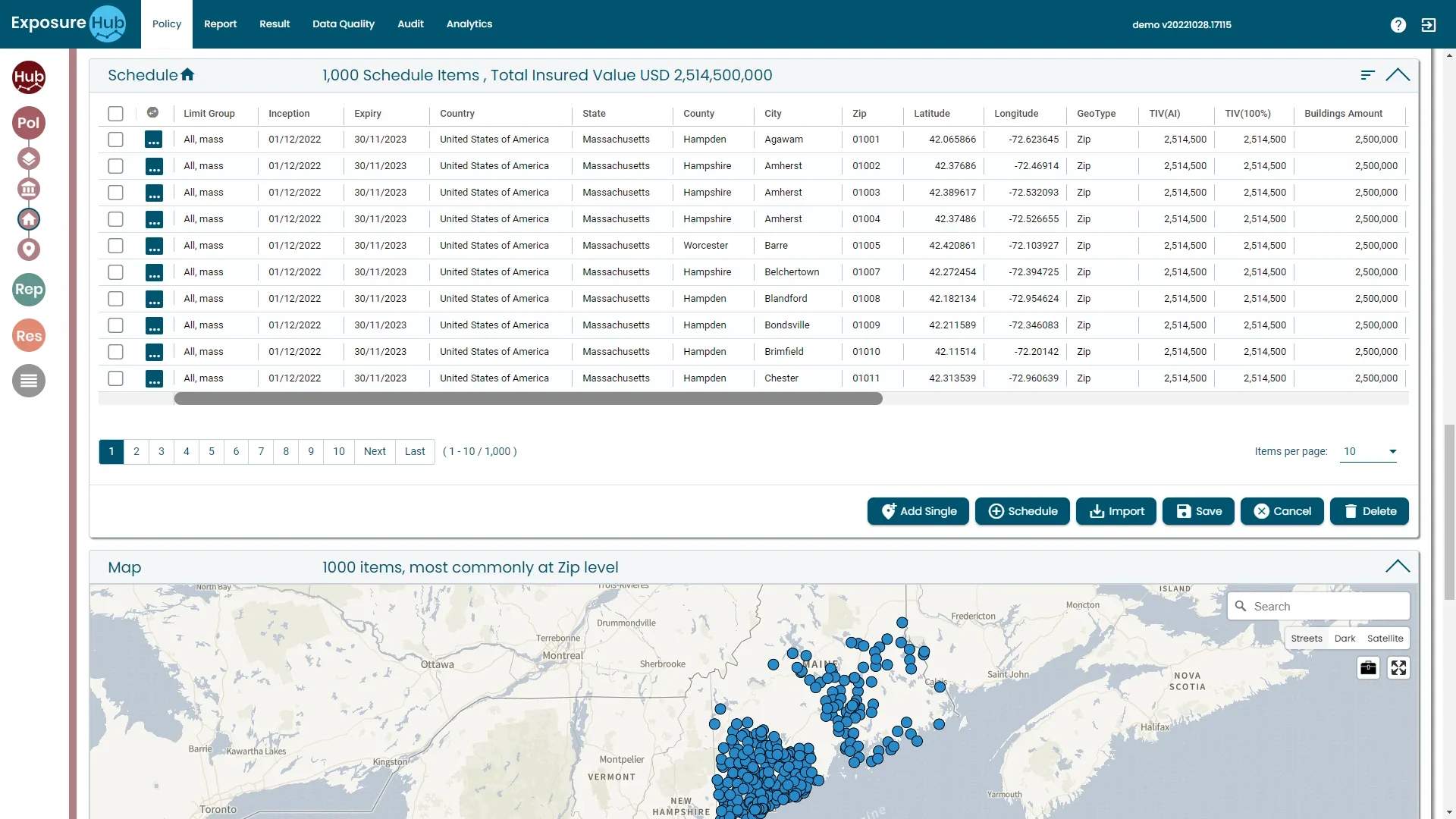
Every item has a value and a place
The Policy tab holds a schedule with a value, an address and coordinates, then plots every item on the map.
- Import, integrate or enter
- The demo schedule is property locations, not aircraft
ExposureHUB demo environment · sample data
The hubs that matter, on one map.
Aviation schedules map into the platform through ConfigHub and then use the same Insight analytics, dashboards and scenarios as the rest of the portfolio.
Public Ebix material names a dedicated module only for Energy. For aviation, the platform is the same configurable, multi-line one, set up with your own schedules.
Ask the book what is on the ground.
How much hull value do we have at this airport right now?
Accumulation by airport, from the geocoded fleet schedule.
Which hubs are exposed to the same peril?
What is our largest single-airport accumulation?
How does a major hub event land on our fleet and liability book?
Weather, ground motion and what is parked there.
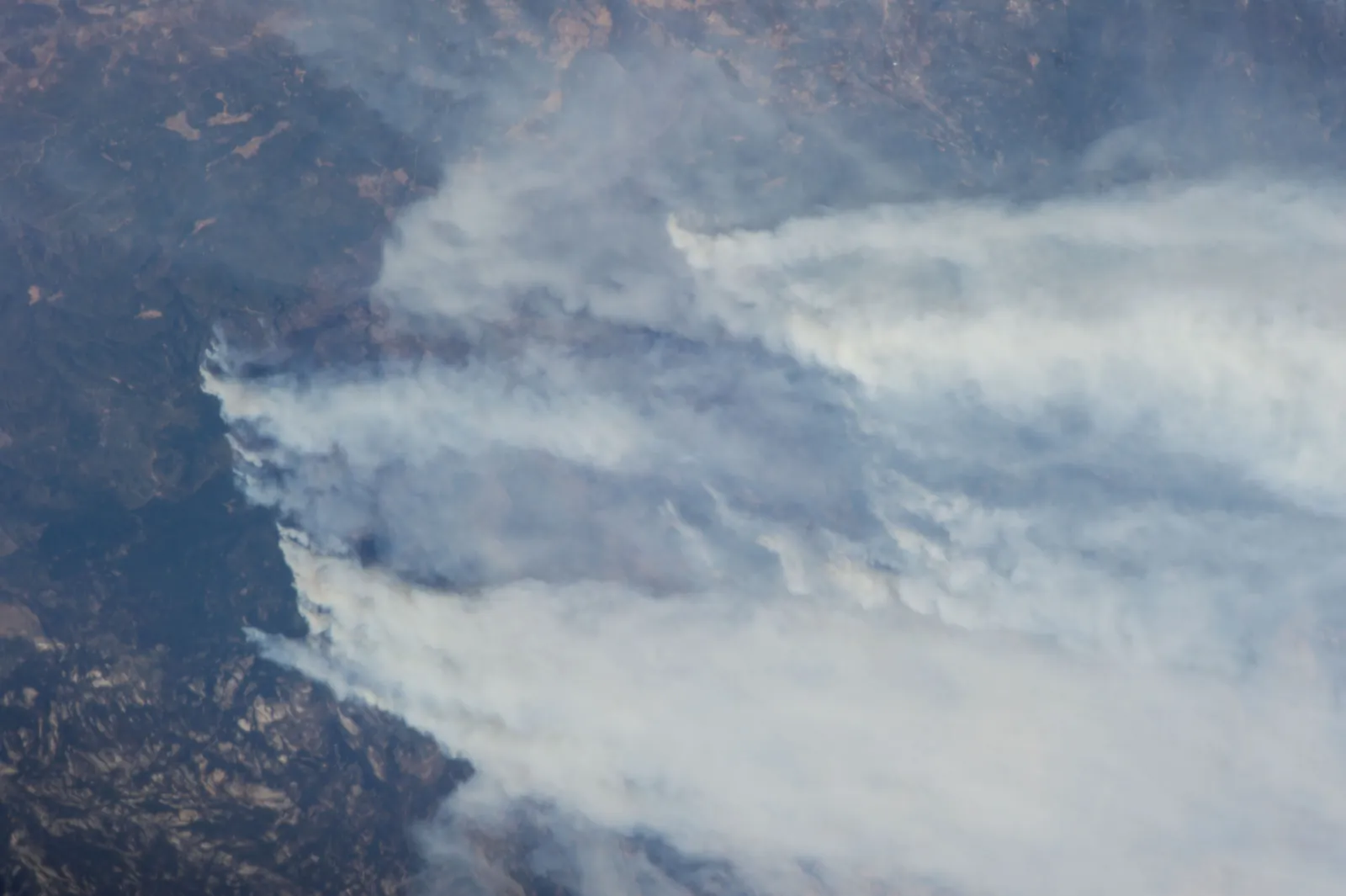
A convective storm over a hub reaches every parked aircraft on the apron and in open stands at once. Hail damage does not care which policy an aircraft sits on.
A hail or wind band over the airfield, with apron and hangar values inside it.
A hub in a seismic region concentrates hangar, terminal and apron values behind one ground motion. Fleets that never fly the same route still meet here.
Airport accumulation by quake zone, then operators inside the footprint.
Airfields are flat and often near water. Standing water reaches ground equipment, hangars and low stands before it reaches anything else.
Flood zones across the airfield; hangar and apron values by location.
A hangar or a fuel incident can involve several aircraft, several owners and the airport operator's liability together.
Hangar-level totals and the operators and lessors named in them.
How the rollout runs: one class first, then the template.
- Fleet and airport schedules mapped through ConfigHub
- Airports, hangars and aprons geocoded
- Accumulation by airport and operator
- Each further aviation team is brought on with the same template
- Workshops with each team to agree what it needs
- Hail, wind and flood footprints for the main hubs
- Liability schedule for airport operators and ground handlers
- Exports for carriers and capacity providers
- Lessor and multi-entity clients on the same template
- Third-party model and data feeds
From an Ebix Europe customer story. The three groupings (go-live, three months after, longer term) and the one-class-first approach are the customer's; what sits in each column for aviation shows how a rollout would be scoped.
Modules involved, and the classes beside it.



See Aviation on ExposureHUB.
Book a walk-through built around your aviation schedule and the questions your team asks of it.